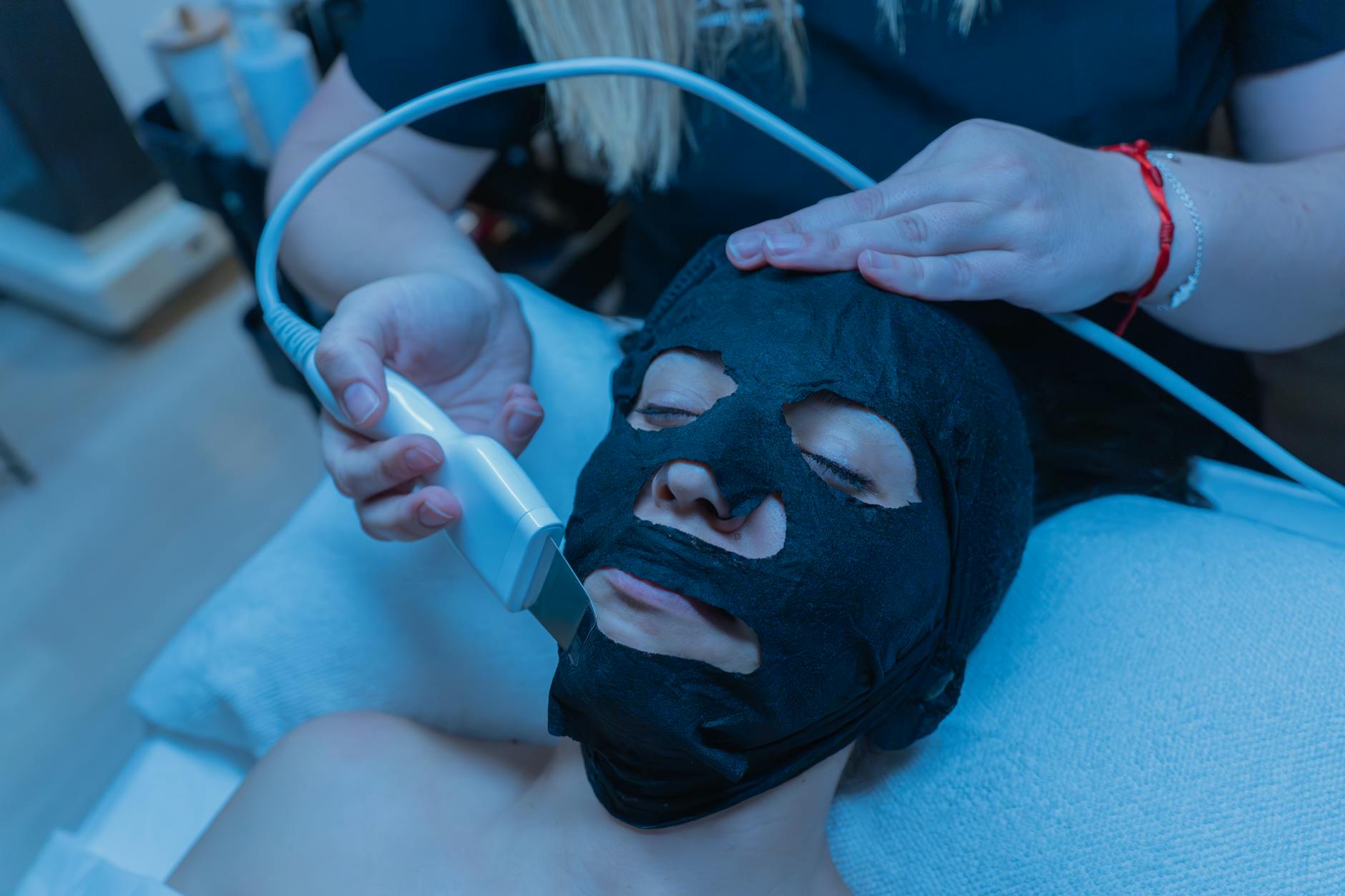
Namaste, friends! The buzz around **Korean skincare for Indian skin** is HUGE right now, isn’t it? From glass skin to dewy complexions, everyone’s chasing that K-beauty glow. But does it *actually* work for us? Our climate, our skin types, *humari* unique needs… that’s what we need to consider. This blog post is all about navigating the world of **Korean skincare for Indian skin**, finding what works, what doesn’t, and how to build a routine that’ll leave you feeling confident and radiant. We’ll also explore the story of the woman bringing K-beauty to the forefront in India, changing the beauty conversation, one product at a time. Let’s dive in!
Understanding Indian Skin & K-Beauty Principles
Indian skin is diverse, ranging from fair to deep tones, and various types – oily, dry, combination, and sensitive. Many of us battle with hyperpigmentation, acne, and sun damage, thanks to the intense Indian sun. K-beauty, on the other hand, is all about hydration, gentle exfoliation, and prevention. The core philosophy revolves around achieving healthy, glowing skin through a multi-step routine, focusing on nourishing ingredients and a gentle approach. Think layers of hydration rather than harsh treatments. While the 10-step routine might seem daunting, the underlying principles of hydration and protection are definitely beneficial for Indian skin. Finding products that address specific concerns like pigmentation (आम समस्या) while respecting the skin’s natural barrier is key. Remember, consistency is key!
Key K-Beauty Ingredients for Indian Skin
Some K-beauty ingredients are especially well-suited for Indian skin concerns. Centella Asiatica (Cica) is a fantastic ingredient for calming inflammation and soothing irritated skin, perfect for acne-prone or sensitive skin. Green tea extract is a powerful antioxidant that helps protect against sun damage and environmental aggressors, crucial in Indian cities like Delhi or Mumbai with high pollution levels. Hyaluronic acid is a hydration powerhouse, drawing moisture into the skin and leaving it plump and dewy – ideal for combating dryness, especially in the winter months. Niacinamide is another star ingredient that helps brighten skin, reduce hyperpigmentation, and control oil production, addressing many common concerns. Look for serums and essences containing these ingredients – they’re a great addition to your routine!
Building Your Own K-Beauty Inspired Routine
You don’t need to jump into a full 10-step routine right away! Start by incorporating key K-beauty principles into your existing routine. Begin with a gentle cleanser to remove dirt and oil without stripping the skin. Follow with a hydrating toner to balance the skin’s pH. Then, apply a serum targeting your specific concerns, such as pigmentation or acne. Next, layer on a lightweight moisturizer to lock in hydration. Don’t forget sunscreen every single day, even indoors! A broad-spectrum sunscreen with SPF 30 or higher is essential in India. You can gradually add other steps like essences, sheet masks (₹100-₹300 per mask), and sleeping packs as you become more comfortable. Focus on listening to your skin and adjusting your routine accordingly. Brands like Innisfree and Klairs are popular starting points and are readily available in cities like Bangalore and Chennai.
The Woman Behind the Shift
The Times of India article highlights the story of a woman who is instrumental in bringing K-beauty to the Indian market. She understood the potential of **Korean skincare for Indian skin** and recognized the gap in the market. By carefully curating products and educating consumers, she’s helped demystify K-beauty and make it more accessible to Indian consumers. She’s essentially bridging the gap and showing us how to adapt the **Korean skincare for Indian skin** philosophy effectively. Her work is paving the way for more customized and inclusive beauty solutions, catering specifically to our unique needs and climate. This shift is empowering Indian consumers to make informed choices and embrace a more holistic approach to skincare.
Source: Read more