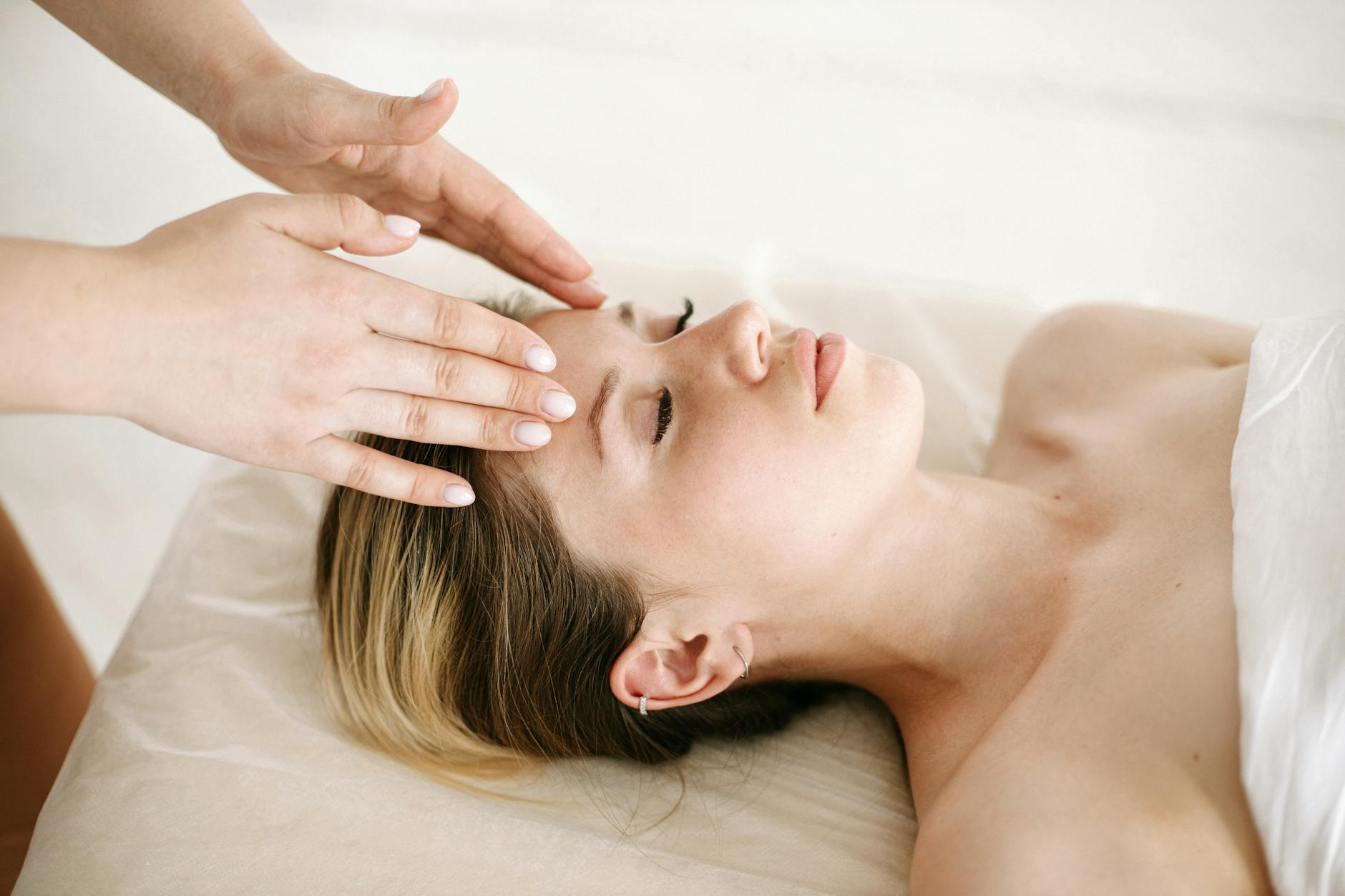
Namaste, beauty enthusiasts! The world of skincare is constantly evolving, and one trend that’s taken India, especially our Gen Z, by storm is the K-Beauty wave. Forget heavy makeup; the focus is now on achieving a flawless, glowing complexion. K-Beauty’s emphasis on gentle ingredients, hydration, and a multi-step routine has resonated deeply with young Indians who are increasingly aware of the importance of skincare. This ‘skin-first makeup revolution’ is not just a fleeting fad; it’s a conscious shift towards healthier and more sustainable beauty practices. From bustling cities like Mumbai and Delhi to smaller towns, the influence of K-Beauty trends in India is undeniable. Let’s dive into why our Gen Z is so obsessed!
Glass Skin Goals: The Ultimate K-Beauty Dream
Glass skin, the holy grail of K-Beauty, is all about achieving a complexion so smooth, hydrated, and luminous that it resembles glass. Think poreless, dewy, and radiating health. This obsession has led to a surge in popularity of products like hydrating toners, essences, and serums, all designed to plump up the skin and create that coveted glow. Indian Gen Z is actively seeking out these products, often investing in layered skincare routines that focus on deep hydration. The ‘no makeup’ makeup look, powered by glass skin, is the ultimate goal. Forget concealing; embrace your natural radiance! You can find affordable Korean brands in online stores now with prices ranging from ₹500 to ₹2000. Instagram is flooded with tutorials on how to achieve the glass skin look, showcasing the transformative power of K-Beauty trends in India.
Ingredient Spotlight: Centella Asiatica and Snail Mucin
K-Beauty isn’t just about elaborate routines; it’s also about the ingredients. Centella Asiatica (Cica) and snail mucin are two superstar ingredients that have gained immense popularity in India. Cica, known for its soothing and anti-inflammatory properties, is a savior for sensitive and acne-prone skin, a common concern for many Indians due to our climate. Snail mucin, though it might sound a bit unusual, is a hydration powerhouse that also promotes skin repair and elasticity. These ingredients are often found in serums, creams, and masks, and they’re readily available in India through online retailers and select beauty stores. The trust in natural and time-tested ingredients resonates well with the Indian preference for Ayurvedic and herbal remedies, adding another layer to the K-Beauty trends in India.
The 10-Step Routine: Simplified for the Indian Climate
The infamous 10-step K-Beauty routine can seem daunting, but Indian Gen Z has adapted it to suit our climate and lifestyle. Instead of following all ten steps religiously, they’re cherry-picking the products that work best for their skin type and concerns. A typical routine might include an oil cleanser, a foam cleanser, a toner, an essence, a serum, a moisturizer, and sunscreen. Masking, especially with sheet masks, is also a popular addition. The key is to layer lightweight products that hydrate and nourish the skin without feeling heavy or greasy. After all, who wants a sticky face in the humid heat of Chennai? The focus is on *chamakti twacha* (glowing skin) achieved with fewer, but effective, products. The adapted routines are more easily fitted into the busy lives of Indian teens.
The Rise of Affordable K-Beauty Brands
One of the reasons for the widespread adoption of K-Beauty in India is the availability of affordable brands. While high-end K-Beauty products are available, many budget-friendly options offer comparable results. Brands like Innisfree, Etude House, and The Face Shop have gained a strong foothold in the Indian market, making K-Beauty accessible to a wider audience. These brands offer a range of products tailored to different skin types and concerns, allowing consumers to experiment and find what works best for them without breaking the bank. The *sasta aur tikau* (cheap and durable) mindset of many Indian consumers has found a perfect match in these brands. This price accessibility enables the exponential growth of K-Beauty trends in India among the Gen Z population.
Source: Read more