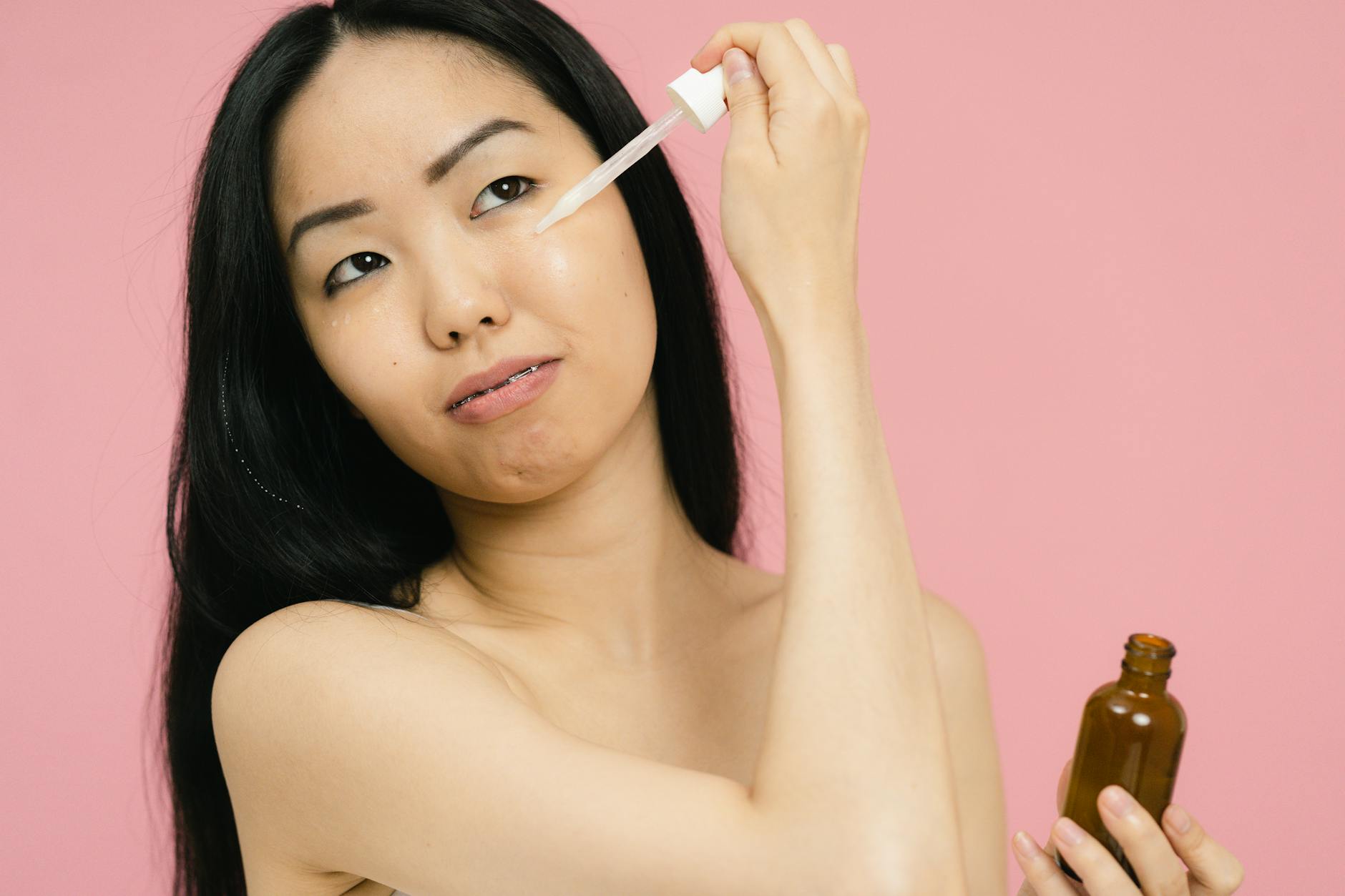
Namaste friends! K-Beauty, or Korean beauty, has taken the world by storm, and India is no exception. From sheet masks to elaborate ten-step routines, everyone is chasing that coveted ‘glass skin’ look – that dewy, almost translucent complexion. But is all this Korean skincare for Indian skin actually a match made in heaven? The beauty market is flooded with products promising amazing results. Especially in metro cities like Mumbai, Delhi and Bangalore, every other beauty influencer seems to be promoting some new K-beauty secret. But रुको ज़रा! Before you jump on the bandwagon and spend your hard-earned ₹ on these products, let’s delve deeper into whether this trend is truly suitable for our unique Indian skin.
Understanding Indian Skin vs. Korean Skin
Indian skin, with its rich melanin content, is generally more prone to pigmentation, tanning, and certain skin conditions like melasma and acne. We also live in a vastly different climate compared to Korea. Think about it: the scorching summers of Delhi versus the milder seasons of Seoul. Our skin produces more sebum (oil) due to the heat and humidity, making us more susceptible to clogged pores and breakouts. Korean skincare often focuses on hydration and achieving that ‘glass skin’ effect, which can sometimes involve using heavier products. These heavier products might not be ideal for our oily, acne-prone skin, potentially leading to clogged pores and that dreaded ‘breakout’ moment. Therefore, blindly following K-beauty trends might not be the best strategy. We need to consider what ingredients and routines work best for our specific needs. It is important to know that you need to take a balanced approach.
The Pitfalls of the ‘Glass Skin’ Trend for Us
The pursuit of ‘glass skin’ often involves multiple layers of products, some of which may contain ingredients that are too harsh or incompatible with Indian skin. For example, certain exfoliating acids, while effective, can increase sun sensitivity. Given the intense Indian sun, this can exacerbate pigmentation issues. Moreover, the heavy focus on hydration might overwhelm oily skin, leading to breakouts. Products containing ingredients like snail mucin, which are popular in K-beauty, might not agree with everyone. Furthermore, the cost of maintaining a multi-step routine with imported Korean products can be quite high. Imagine splurging thousands of rupees on a regimen that ultimately doesn’t deliver the desired results and potentially harms your skin! So, consider your budget, your skin type, and the climate you live in before fully committing to the ‘glass skin’ trend.
Adapting K-Beauty to Indian Skin Needs
While blindly following trends is a no-no, that doesn’t mean Korean skincare is entirely off-limits. The key is adaptation and mindful selection. Focus on incorporating hydrating ingredients like hyaluronic acid and glycerin, which are beneficial for most skin types, but choose lighter formulations. Opt for gel-based moisturizers over heavy creams, especially during the warmer months. Sunscreen is non-negotiable! Look for broad-spectrum sunscreens with high SPF to protect against pigmentation. Incorporate gentle exfoliation with BHAs or AHAs, but use them sparingly – once or twice a week – and always follow up with sunscreen. Remember to patch-test new products before applying them all over your face. Also, consider consulting a dermatologist for personalized recommendations based on your skin type and concerns. They can help you create a skincare routine that is effective and safe for your skin. In conclusion, there are many products that are very helpful if incorporated in the correct way.
Focus on Ingredients and Your Skin Type
Ultimately, successful skincare isn’t about blindly following trends, but about understanding your own skin and choosing products that address its specific needs. Are you prone to acne? Look for products containing salicylic acid or tea tree oil. Do you struggle with pigmentation? Consider ingredients like vitamin C and niacinamide. Do you have dry skin? Opt for hydrating ingredients like ceramides and squalane. Pay attention to how your skin reacts to different products and adjust your routine accordingly. Remember, healthy skin is beautiful skin. It’s about nurturing your skin and giving it what it needs to thrive, not about chasing an unrealistic ideal. So embrace your natural skin, find products that work for you, and remember that skincare is a journey, not a destination. धीरे चलो, but stay consistent!
Source: Read more